CCME and CEC call to commemorate refugees who lost their lives
at European borders on 23rd June 2024 (Sunday after World Refugee Day)
READ IT HERE
CLICK HERE
CCME and 80 other Civil Society Organisations call on MEPs to vote down harmful EU Migration Pact.
Please read it here
 CCME’s Advocacy Training, ‘vital’ in the growing importance of EU law on asylum and migration policy
by Joy Eva Bohol
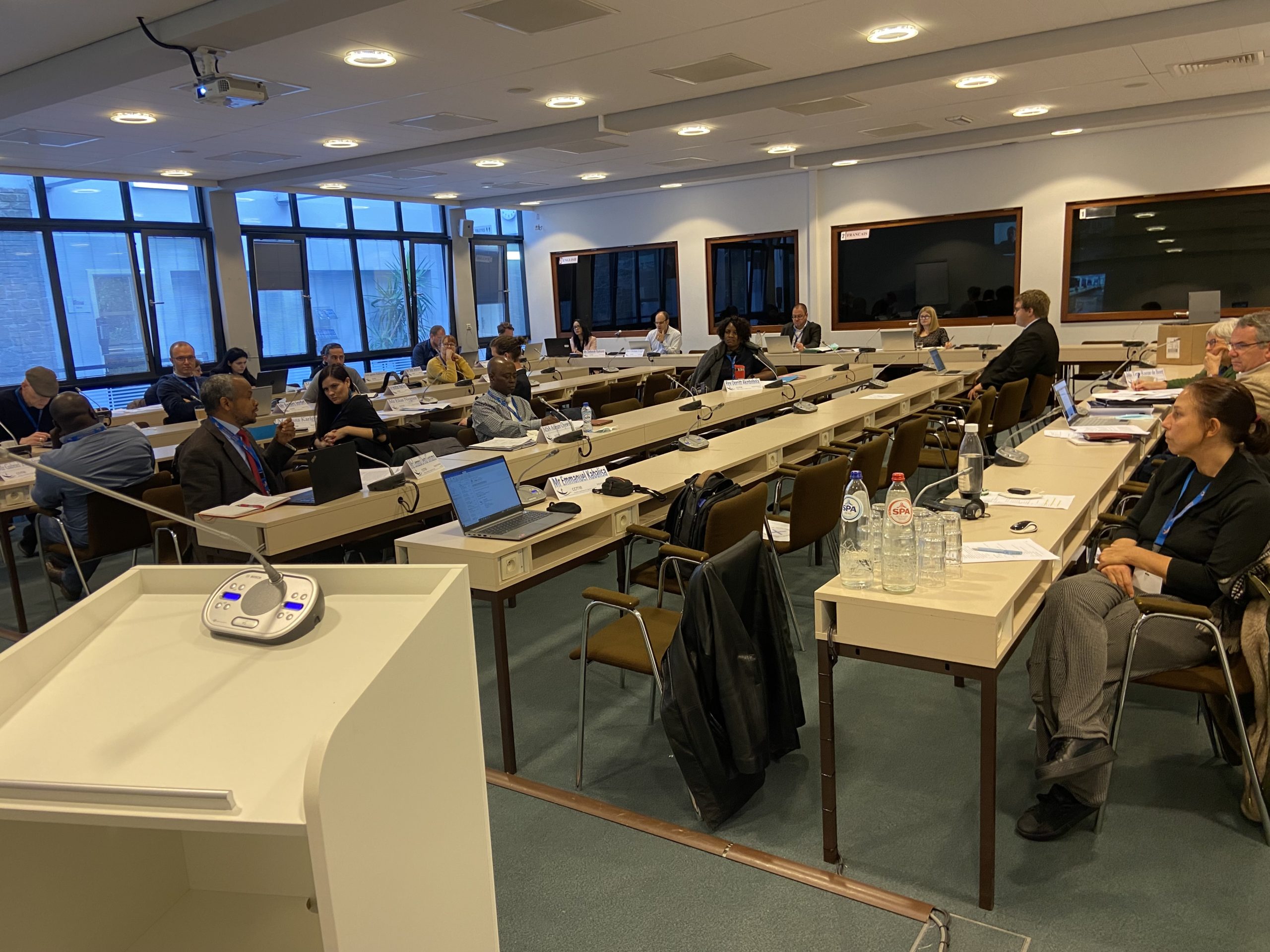
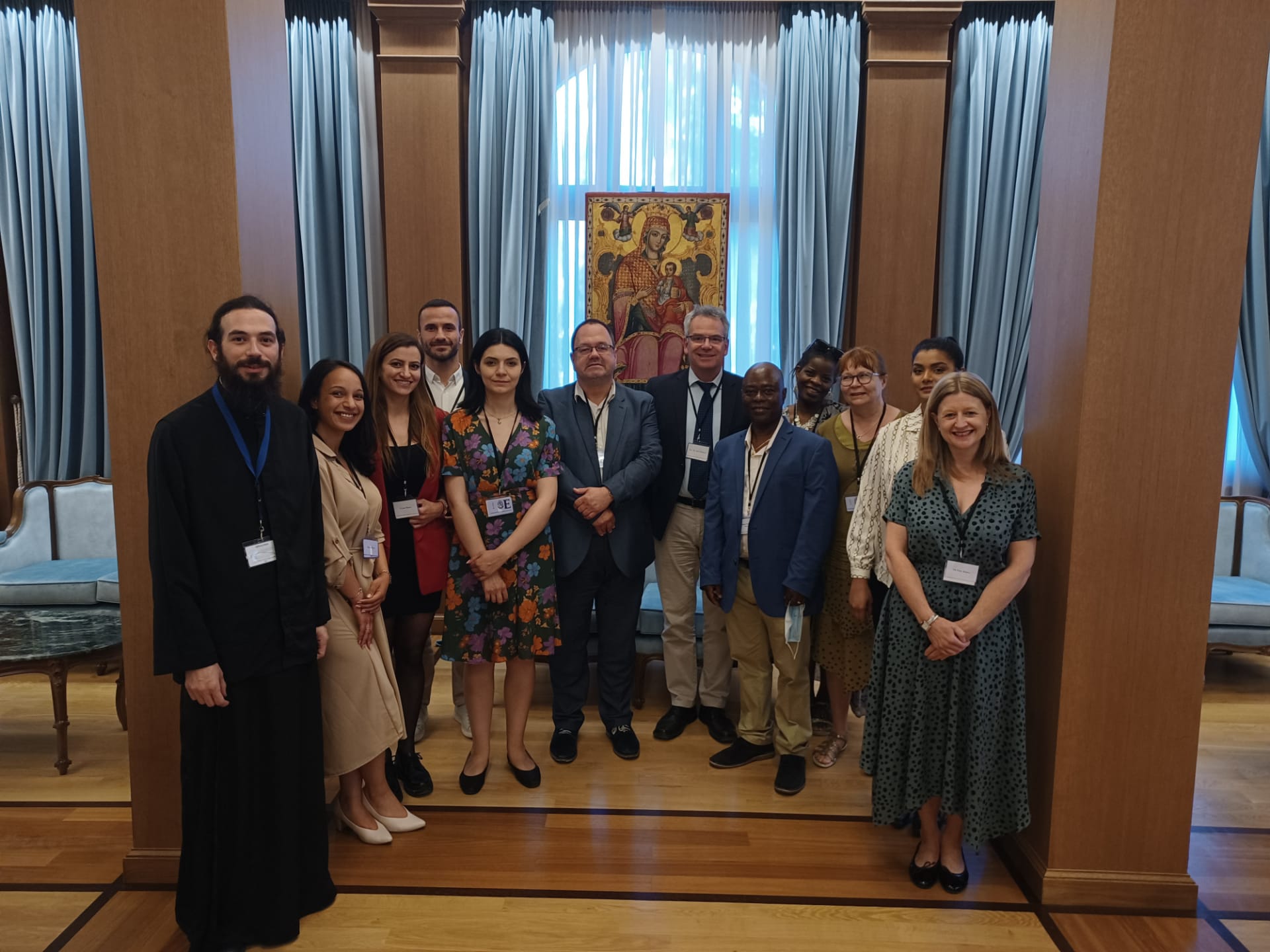
WITH the growing importance and worrying trends in European Law on asylum and migration, the Churches’ Commission for Migrants in Europe’s (CCME) Advocacy Training in Athens, Greece on 12-15 February 2024 “is vital, more than ever, to train and empower its constituency to better understand European Union (EU) legislation,” said CCME General Secretary Dr. Torsten Moritz. Click to read here.
Photo: Participants of the CCME Advocacy Training interact, during spaces of sharing and discussion. Photo by Alice Jahier
 CCME executive committee convenes to discuss mandates from the 2023 general assembly
By Joy Eva Bohol
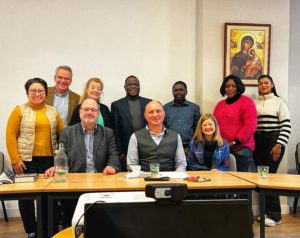
THE newly elected members of the Executive Committee of the Churches’ Commission for Migrants in Europe (CCME) convened on 15-16 January 2024 in Brussels to start to implement its mandate from the General Assembly in November 2023, and to propose priorities and strategies for the term 2024-2027. Click to read here.
Photo: Newly elected members of the Executive Committee of CCME and staff with European Peoples Party EPP representative Vit Novotny (middle front row) at the headquarters in Brussels, Belgium for its first in-person meeting on 15-16 January.
CCME to GRF 2023: welcoming the stranger and upholding refugee rights are in our ‘Christian DNA’
By Joy Eva Bohol
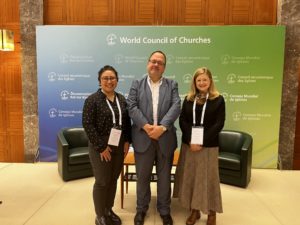
AS PART of this year’s Global Refugee Forum (GRF) held in Geneva, Switzerland on 13-15 December, the Churches’ Commission for Migrants in Europe (CCME) had engaged in the side events, affirming the churches’ continued commitment to uphold refugee and asylum protection, and to offer as safe sanctuaries to refugees, forcibly displaced people, and people on the move. Click to read here.
Photo: (From R to L) CCME Moderator Ms. Fiona Kendall, CCME General Secretary Torsten Moritz, CCME seconded staff and UMCOR Regional Migration Specialist for Europe Ms. Joy Eva Bohol
CCME appeals to negotiators on EU asylum and migration pact: “avoid a pact which results in an ill-functioning, costly, and cruel system. Click to read here
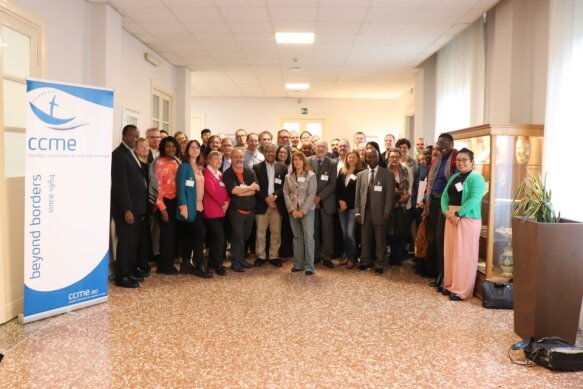
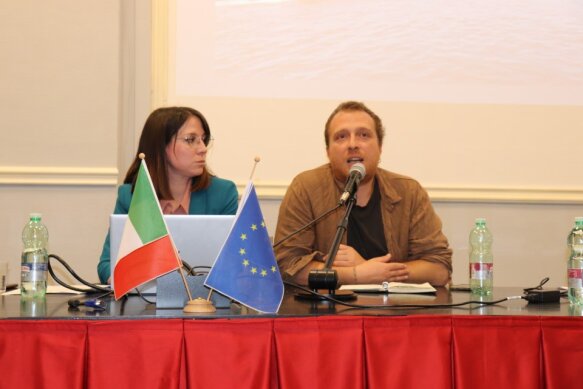
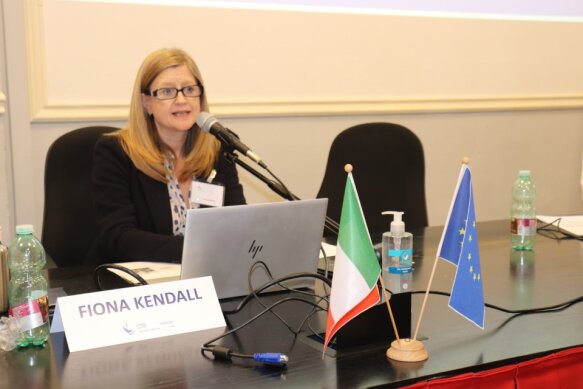
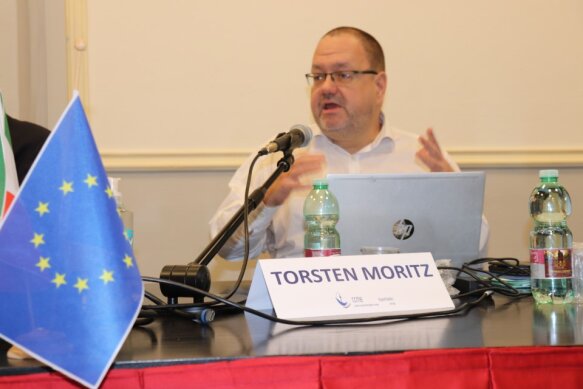
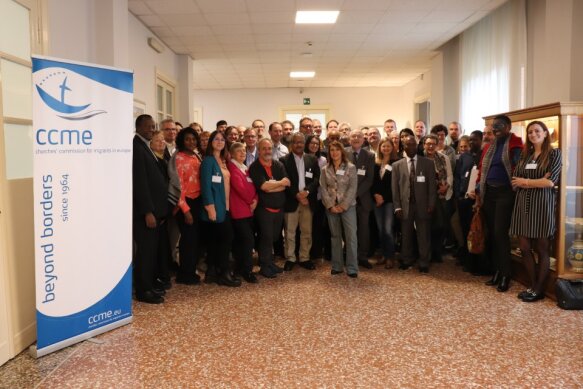
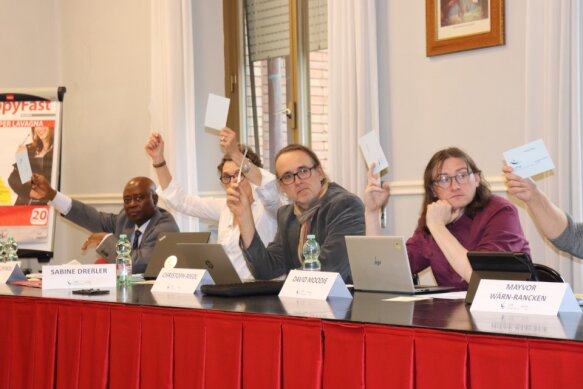
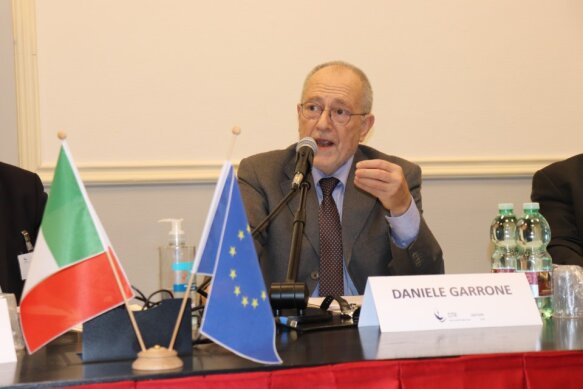
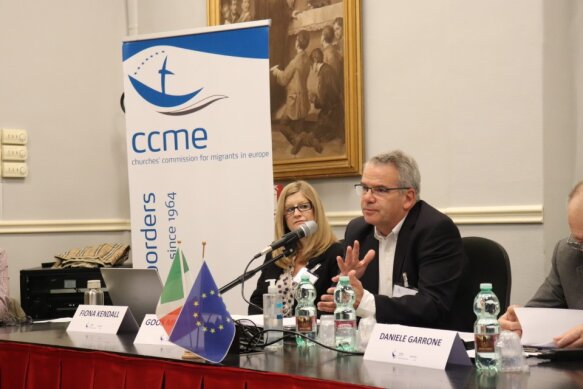
PLEASE FIND OUR PRESS RELEASE FROM OUR LAST GENERAL ASSEMBLY IN ROME, NOVEMBER 2023 here
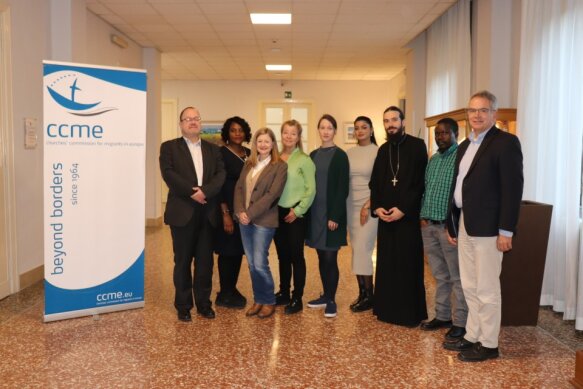
CCME and other Christian organisations support migrants rights in EU labour migration proposals:
– Christian organisations
– NGO coalition
Click here to read it
YOU CAN READ IT HERE?
READ IT HERE
CCME EXPRESSES CONCERN ON EU-TUNISIA AGREEMENT, CONTRADICTS EU COMMISSION PRESIDENT: ”SAFE PASSAGE INSTEAD OF SHADY MIGRATION DEALS “
READ IT HERE
CCME INVITES YOU TO THE WEBINAR
SECONDARY MOVEMENT: HIDDEN CHALLENGES, 26th October 2023, 10.30-12.00 (Brussels time)
CCME COMET-Webinar-secondary-movements-agenda
Despite increased discussions and activities on complementary pathways into protection into the EU in recent years, one issue has emerged but rarely been discussed: the secondary movement of beneficiaries of complementary pathways.
While the secondary movement of asylum seekers is well-known, the secondary movement of beneficiaries of complementary pathways raises a number of important questions regarding
• target groups and their aspirations;
• programme set-up;
• reception and integration;
• remedial action.
As complementary pathways expand and multiply, the interactive webinar “Secondary movement: hidden challenges” for practitioners, experts and those wanting to become either in the area of complementary pathways will consider this important issue.
The webinar is organised by CCME as part of the COMET project – https://www.cometnetwork.eu
Please register here
CCME Nordic/Baltic meeting challenges the church to be more prophetic amid worrying migration trends in the region
by Joy Eva Bohol/CCME
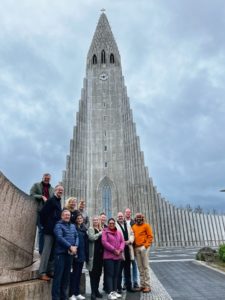
Tightening and narrowing on migration policies, cutting down resettlement quotas for refugees and asylum seekers applicants, increasing hate speech and crimes, and a rising number of right-wing governments are some of the many complex issues that country representatives reported, during the Churches’ Commission for Migrants in Europe (CCME) Nordic/Baltic meeting on 7-8 September 2023 in Reykjavik, Iceland. Read the full article here.
The EUAA “Practical Guide on Interviewing Applicants with Religion-based Asylum Claims” – content, opportunities and challenges from churches´ perspectives on 8th June 2023, 11.00-12.30 (Brussels time) on zoom.
Please SEE THE AGENDA AND REGISTER here
After 5 days of intense and very interesting Africa Europe Ecumenical Forum on Migration, in Hamburg, we have come up with a communique . Please find it here.
*******
CCME with partners asks EU member states to abandon plans to condition trade
preferences for countries in the global south on their migration and readmission cooperation with the EU.
Read the joint letter here
30 leaders of Christian churches and organisations across Europe prior to Easter declare
“As you did it to one of the least of these…you did it to me. – Matthew 25:40 – ALL refugees welcome”
You can read the full declaration here
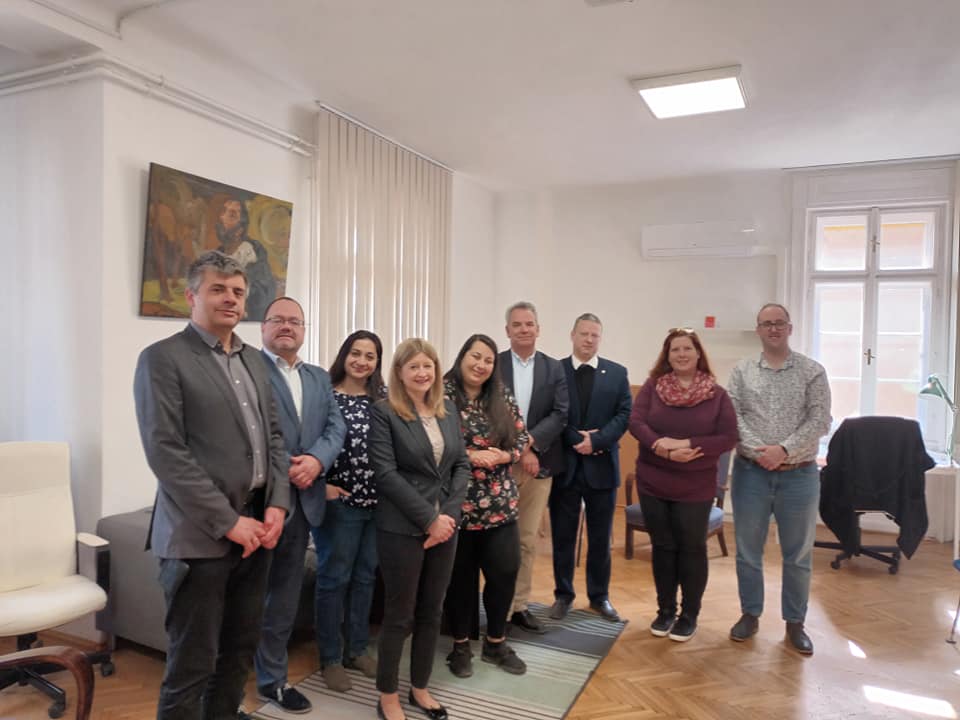
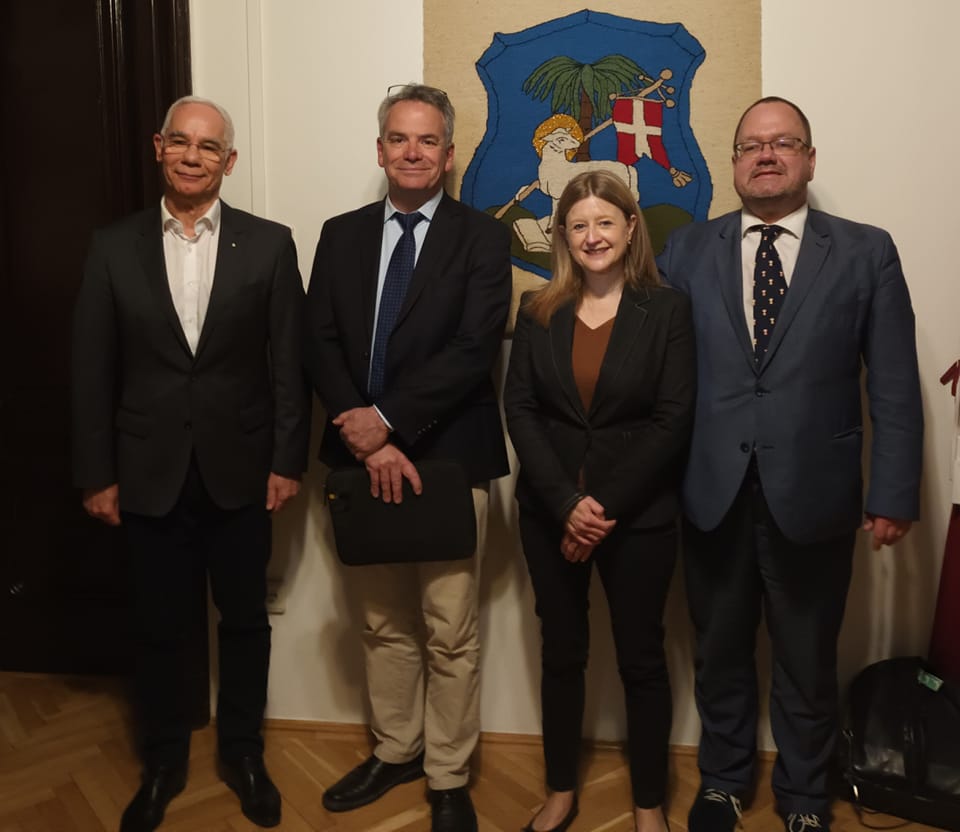
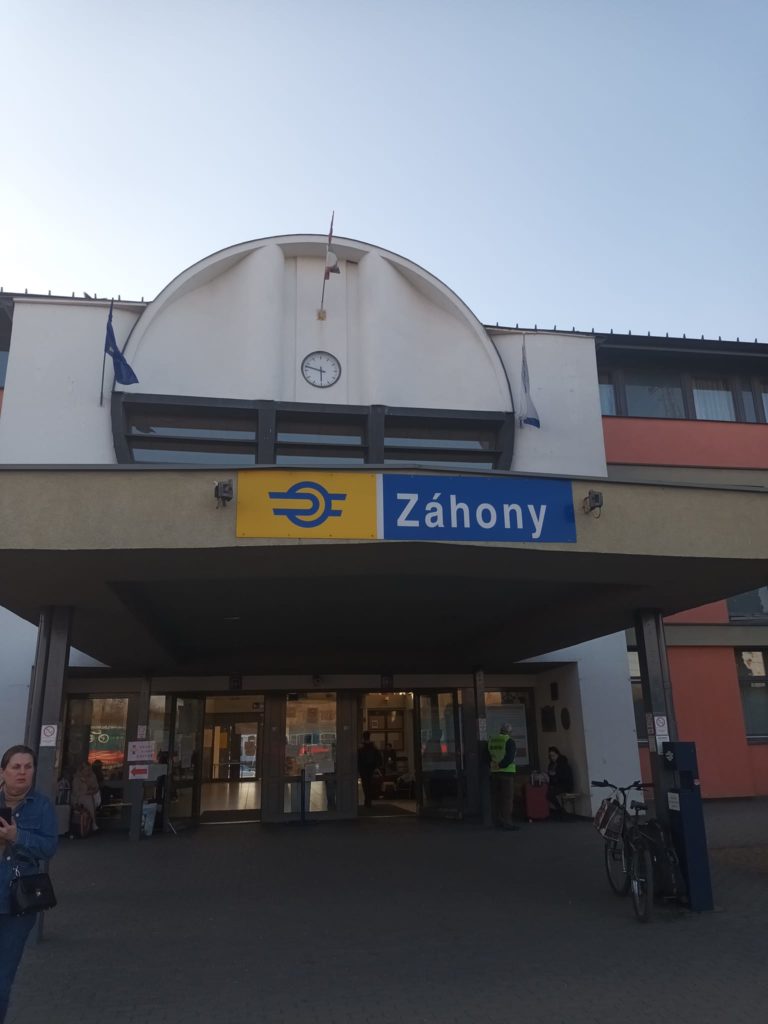
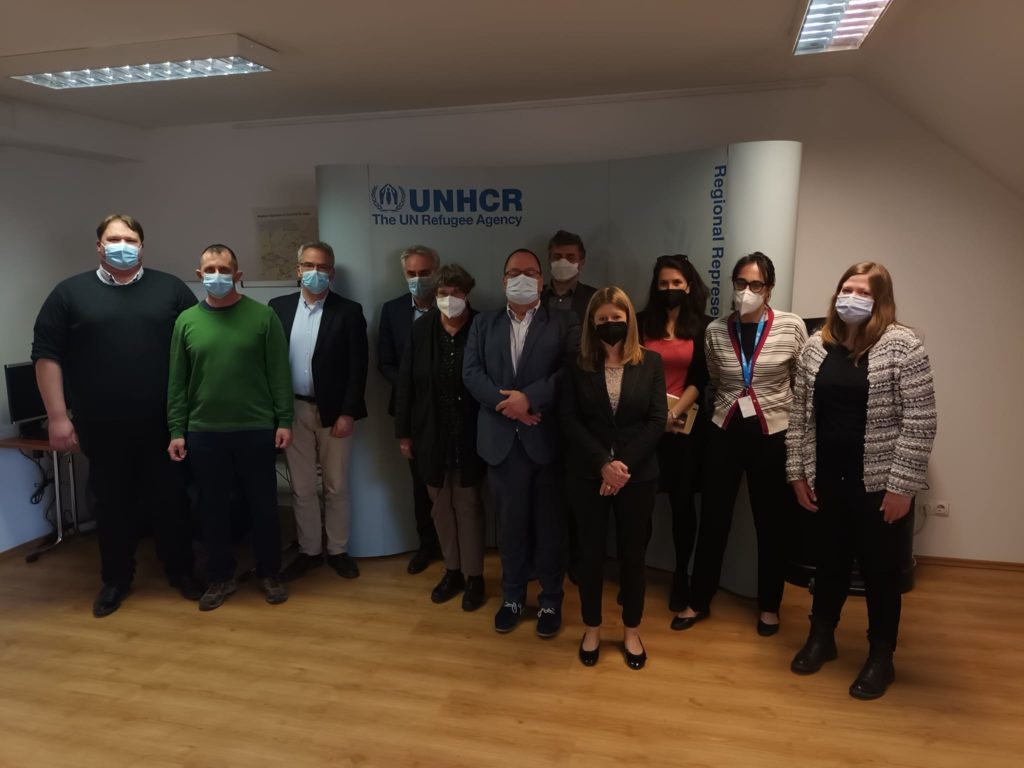
CCME and partners Event focuses on Christian conversion in asylum procedure in Europe
The topic “conversion in the asylum procedure, new developments and old challenges” was brought into focus in an online event from 18 to 20 January 2022. The participants reflected together on how the conversion to Christianity by asylum seekers in Europe has raised pastoral, theological-missiological, legal as well as ethical questions and dilemmas for the churches.
The event was organised by the Churches Commission for Migrants in Europe (CCME) and the Conference of European Churches (CEC), together with the Bishops’ Conferences of the European Union (COMECE) and the European Evangelical Alliance (EEA) … read more
You can also read here the Executive Summary
Message of the 2021 CCME (extraordinary) General Assembly
Together we can save a million vulnerable humans in Europe again!
We met as the extraordinary General Assembly of the Churches´ Commission for Migrants in Europe (CCME) from 14th to 16th October 2021 in Brussels representing 41 Churches, Councils of Churches and related organisations from across Europe.
We are worried. The global public has in recent months been following with shock, despair and anger how desperate…Read more.
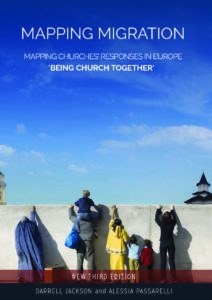
Mapping Migration, Mapping Churches’ Responses in Europe
Through migration, minority churches in some countries are growing. The current study Mapping Migration, Mapping Churches’ Responses in Europe, Being Church Together attempts to provide information on actual immigration and emigration figures for twenty‐two European countries, and seeks to identify the diversity of Christian presence.
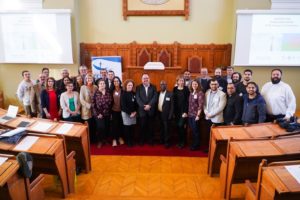
Justice for Roma and Sinti : a challenge for churches
About 35 people gathered in Budapest, Hungary, from 9-11 March 2020 to reflect on the issue of Roma and Sinti discrimination with a particular focus on the role of churches. The event had valuable contributions from Roma/Sinti participants within the churches and acknowledged the richness of sharing together. The conference encouraged churches to consider how to more positively promote the visibility and inclusion of Roma/Sinti. Please read the full report…
“Christian group” comments on the proposed EU Asylum and Migration Pact
CCME in a coalition of 8 Christian organisations has published 5 comment papers on the proposals for the EU Asylum and Migration Pact.
Please find underneath the reactions on:
– The pact in general
– Proposals on pre entry screening and border procedures
– Return and readmission
– Search and rescue & criminalisation of solidarity
– Solidarity
Data Protection and Privacy Policy
Effective 25 May 2018
The Churches Commission for Migrants in Europe gathers data
about individuals that is publicly available, freely provided by that
individual, or obtains direct consent for its collection.
Read more …. →
CCME STAFF
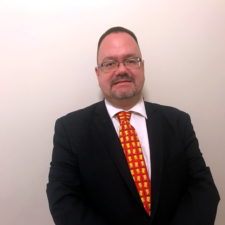
Dr. Torsten Moritz:
General Secretary

Christine Rugurika:
Administrator

Joy Eva Bohol:
Seconded Staff